September 21, 2026
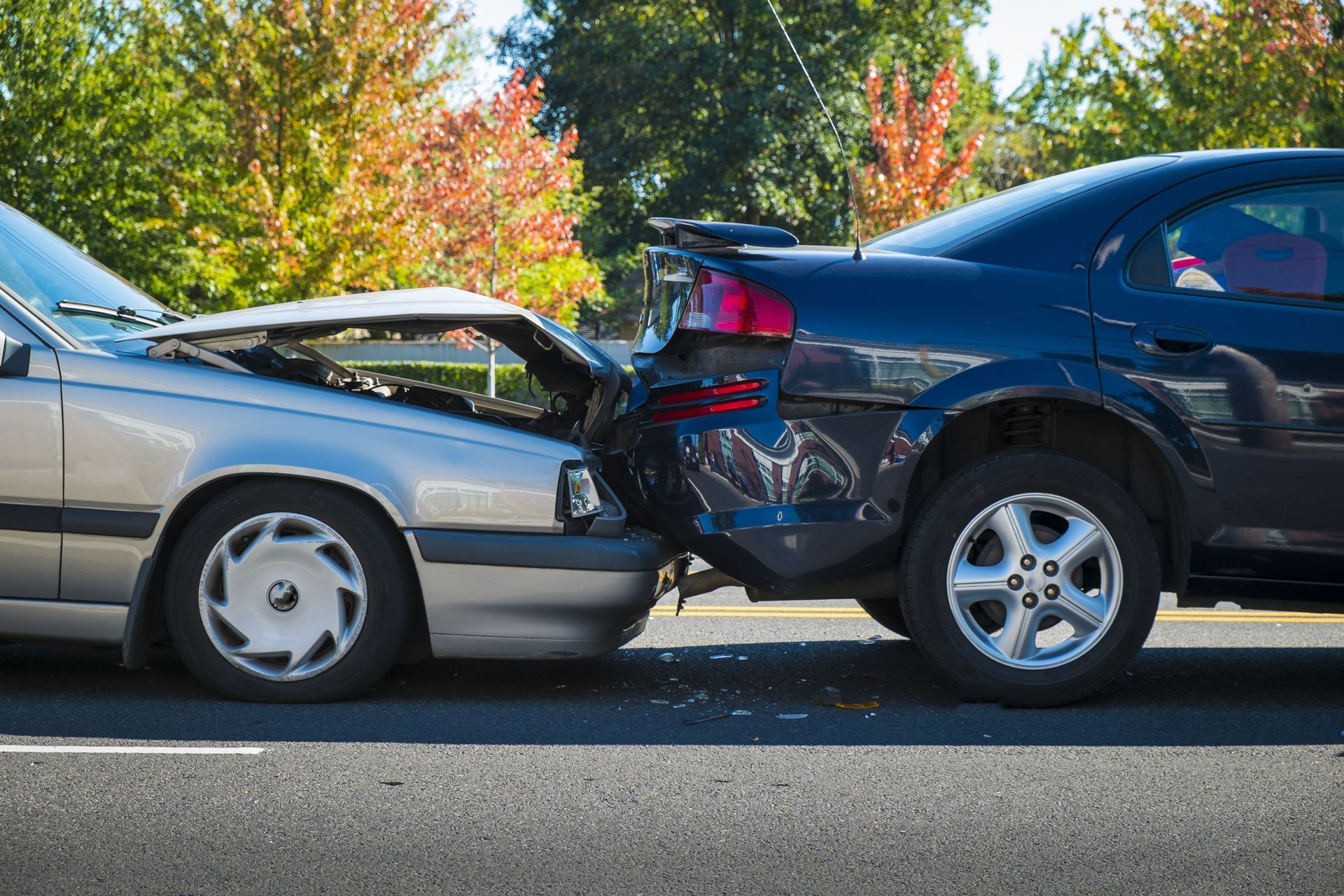
The first step of the collision repair process is the damage assessment and estimation phase. It starts with a visual inspection to identify obvious signs of damage, but technicians also utilize advanced tools to check areas that might not be visible initially. These tools assess both surface damage and underlying structural issues, which are crucial for accurate repair planning. Reputable auto body shops rely on these comprehensive evaluations to uncover hidden chassis stress before drafting a final restoration plan.
Navigating Insurance Approval Timelines
One of the frequent concerns for vehicle owners is the timeline for repair approval and the commencement of repairs. Insurance companies may take time to approve estimates, which can delay the initiation of repair work. Understanding this timeline is crucial for setting realistic expectations throughout the process. Communication between the facility, the insurance company, and the vehicle owner is key to expediting this process. Many established auto body shops handle this claim negotiation directly to help eliminate unnecessary waiting periods.
Uncovering Hidden Internal Damage
The next phase in the collision repair process is disassembly, which involves taking apart the damaged areas to uncover any hidden damages. This meticulous process is vital because it often reveals issues that were not initially apparent during visual walkarounds. According to Orbital, with vehicles on U.S. roads averaging 12.6 years old, such thorough inspection is crucial, as older vehicles may have additional wear that complicates damage assessment. It sets the foundation for identifying each part that needs replacement or repair. Once the underlying structural components are fully exposed, technicians can order every precise part needed for a lasting repair.
Sourcing Compatible Replacement Parts
Identifying and sourcing parts is a critical phase for any repair facility. Technicians aim to use Original Equipment Manufacturer (OEM) parts wherever possible, as they are designed to fit your vehicle precisely and meet original specifications. However, delays in parts delivery can sometimes prolong the repair timeline due to shipping challenges or backorders. Top-tier auto body shops maintain robust relationships with primary suppliers to secure components quickly and maintain safety standards.
Evaluating Secondary Part Options
Although OEM parts are preferred, they are not the only option available to vehicle owners. Facilities may sometimes suggest third-party parts as a quicker solution, especially if timing is a major concern. Regardless of the source, the priority should always be on part compatibility and overall structural quality. Enforcing these quality control measures ensures that alternative components do not compromise the safety or aesthetic of the vehicle.
Straightening Damaged Frame Structures
Once all necessary parts have been obtained, structural and mechanical repairs begin. Addressing frame and structural damage is often one of the most challenging aspects of collision repair, requiring specialized skills and precision equipment. Technicians employ state-of-the-art repair techniques to restore the vehicle's structural integrity completely. Skilled auto body shops utilize computerized measuring benches to pull and realign the chassis back to original factory tolerances.
Executing Mechanical System Repairs
In addition to structural framework, mechanical systems must be thoroughly inspected and repaired. This includes vital components like brakes, steering, and suspension systems that can be easily affected during an impact. Each system is evaluated to guarantee optimal functionality and road safety. Quality control checks are integrated into each stage to track progress, and technicians may collaborate with diagnostic specialists for complex electronic recalibrations.
Reshaping Exterior Body Panels
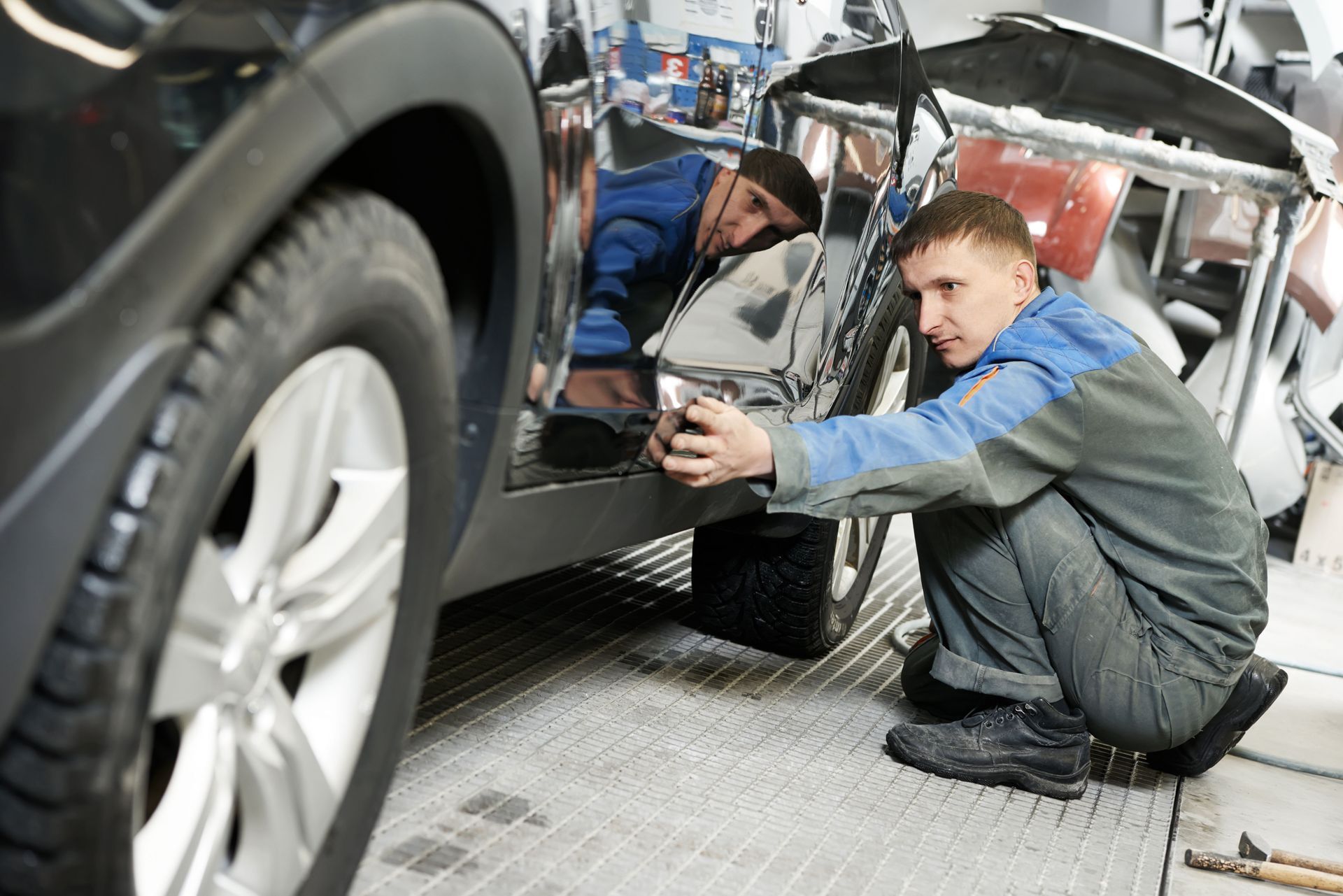
After addressing structural and mechanical woes, the process moves on to body work and surface preparation. This stage is critical for restoring the vehicle's appearance and involves reshaping metal surfaces to correct exterior dents. Technicians apply specialized filling and sanding techniques to smooth out surface imperfections, providing a pristine canvas. Careful execution at this stage is paramount to achieving a flawless, mirror-like finish during the subsequent painting phase.
Applying Protective Surface Primers
An even surface is essential for effective primer application, which serves as the foundation for new paint. The primer enhances paint adhesion and provides an extra layer of protection against metal corrosion and environmental elements. Technicians use precision spray tools to apply the primer evenly, allowing it to settle and dry properly to create a uniform undercoat. Ensuring primer quality directly influences the durability of the final paint application.
Confirming Pre-Paint Quality Standards
Every step leading up to this point prepares the vehicle for final refinishing, but quality must be confirmed before entering the spray booth. Proactive quality checks before painting help reveal microscopic surface flaws that might have been missed during sanding. Correcting these minor imperfections early reduces the chances of paint defects. Leading auto body shops enforce strict pre-paint inspections to ensure the vehicle foundation is flawless before applying topcoats.
Matching Original Factory Paint
Once the body is prepared, painting and refinishing present the final aesthetic touch. Choosing the right paint and color matching are crucial for restoring the vehicle's original appearance, and technicians use computer-aided spectrophotometers to ensure an exact match. Color matching accuracy affects the vehicle's resale value and visual appeal. Skilled technicians apply paint within climate-controlled spray booths so the finish adheres properly and stays completely free of airborne dust.
Curing Protective Clear Coats
Drying and curing processes are integral to the painting and refinishing phase. These processes involve heated spray booths to ensure the paint adheres perfectly and withstands daily wear and tear. The application of a final clear coat seals and protects the base paint, giving it a high-gloss sheen while adding a layer of UV protection. This completion stage defends against environmental factors like solar radiation and moisture that could otherwise lead to fading.
Correcting Minor Paint Imperfections
Despite best efforts, minor paint flaws can occasionally occur during application, requiring early intervention. Quality assurance checks are performed to identify and rectify issues such as runs, sags, or orange peel textures. Proactive resolution of these surface imperfections ensures consistency and uniformity across every panel. Correcting these minor flaws elevates the restorative effort, reconstructing both the aesthetic elegance and practical durability of the vehicle's finish.
Reassembling Restored Vehicle Components
After painting and refinishing, the reassembly and quality assurance phase represents the final leg of the repair journey. This meticulous process requires reattaching all removed trim, handles, lights, and structural panels to ensure they fit together seamlessly. Proper alignment and attachment contribute to both the structural integrity and quiet cabin operation of the vehicle. Each component is thoroughly inspected to ascertain accurate fitment and secure mounting.
Reviewing Final Repair Documentation
Addressing customer concerns and conducting final touch-ups constitute an essential part of concluding the repair process. After reassembly, technicians perform a detailed interior and exterior cleaning before presenting the vehicle to its owner. Repair documentation and warranty information are reviewed together to ensure total operational transparency. Informing owners about post-repair care and paint curing timelines ensures a seamless, satisfying return to the road. Professional auto body shops take pride in walking customers through their completed repairs to guarantee total peace of mind.
The auto body collision repair process involves several detailed phases where each step contributes to your vehicle's safety and aesthetic value. From initial damage assessments to final safety inspections, understanding these steps helps you navigate insurance claims and repair timelines with complete confidence. When your vehicle requires professional collision restoration, trust the experienced technicians at Leslie's Collision and Restoration.